
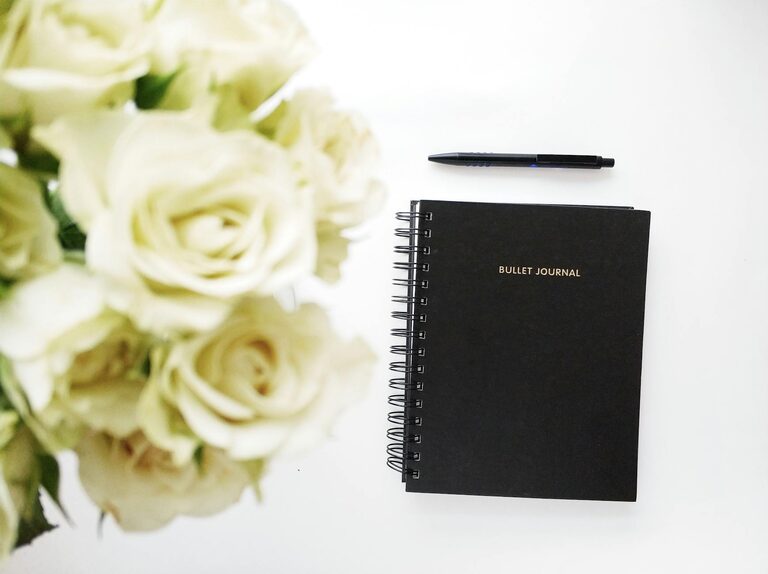
Bullet journaling has become a popular and versatile way to organize daily life, track habits, and spark creativity. Whether you want to manage tasks more efficiently or create a personalized planner, bullet journaling offers a straightforward yet flexible system. If you’re new to bullet journaling, this beginner’s guide will walk you through what it is, how to get started, and tips to make it your own.
What is Bullet Journaling?
At its core, bullet journaling is a method to track your to-dos, appointments, notes, and goals using short, concise bullet points. It was created by Ryder Carroll, who designed it as an analog system to increase productivity and mindfulness. Unlike traditional planners, bullet journals are completely customizable. You decide the layout, content, and artistic style.
What You Need to Get Started
Starting a bullet journal does not require expensive tools or fancy materials. Here’s what you need:
– A notebook: Choose any notebook that feels comfortable. Popular choices include dotted, grid, or blank journals.
– A pen: Preferably a fine-tipped pen that won’t bleed through pages.
– Optional supplies: Colored markers, stickers, washi tape, or stamps if you want to add decorative touches.
Remember, the goal is to keep it simple and functional.
Setting Up Your Bullet Journal
1. Index
The index serves as the table of contents for your journal. It helps you quickly find specific pages or collections later.
– Reserve the first 2-4 pages for your index.
– Number your pages as you go.
– Each time you create a new section, add its title and corresponding page numbers to the index.
2. Key
The key explains the symbols used throughout your journal, helping you stay organized and consistent. Common symbols include:
– • (dot) for tasks
– ◦ (circle) for events
– – (dash) for notes
– X for completed tasks
– > for migrated tasks (moved to a later date)
– < for scheduled tasks (moved to an earlier date)
You can customize your own symbols to fit your needs.
3. Future Log
The future log is where you keep track of upcoming events, deadlines, or goals in the months ahead.
– Divide the page into sections, one for each month.
– Add important dates or plans you want to remember.
This overview lets you glance at months ahead without cluttering daily pages.
4. Monthly Log
The monthly log breaks down plans and tasks for the current month.
– One page includes a calendar-style list of days and important events.
– The other page is a task list or goals for the month.
Check this log regularly to focus your priorities.
5. Daily Log
The daily log is where you record tasks, events, and notes for each day.
– Write the date at the top.
– List tasks, appointments, or thoughts as bullet points.
– Review and migrate unfinished tasks at the end of the day.
This section is the heart of your bullet journal.
Tips for Effective Bullet Journaling
– Start simple: Don’t feel pressured to decorate or create complex layouts from the beginning. Focus on establishing consistent daily logging.
– Be flexible: Modify symbols, spreads, and collections as your needs evolve.
– Review regularly: Spend a few minutes each day or week reviewing tasks, goals, and notes. This helps maintain focus.
– Use collections: These are themed pages like habit trackers, book lists, workout logs, or meal planners that organize specific areas of your life.
– Keep it portable: Your journal should be easy to carry so you can update it on the go.
Creative Ideas to Personalize Your Journal
Bullet journaling is also a creative outlet. You can make it visually appealing and motivating by:
– Adding doodles, sketches, or hand lettering.
– Using color-coding or stickers to mark categories.
– Incorporating inspirational quotes or affirmations.
– Designing habit trackers with fun themes.
– Including gratitude logs to reflect on positive moments.
These touches make journaling enjoyable and encourage regular use.
Common Mistakes to Avoid
– Overcomplicating layouts: Too many boxes or intricate designs can become overwhelming and reduce productivity.
– Not migrating tasks: If you ignore unfinished tasks, your journal loses effectiveness.
– Skipping the index: A missing or unorganized index makes finding entries difficult.
– Neglecting to review: Bullet journaling is a system; regular review keeps it purposeful.
Final Thoughts
Bullet journaling is both a practical and creative habit that helps you take control of your tasks and time. It suits people who prefer analog planning and those looking for a customizable organizational tool. By starting with the basics and gradually adapting your journal, you can build a system that supports your lifestyle and goals.
Give it a try with a simple notebook and pen, and discover how bullet journaling can bring clarity and creativity to your daily routine!
